
Rehabilitation
Returning to sport safely after injury
Example post · placeholder content, to be replaced by the ReedHab team
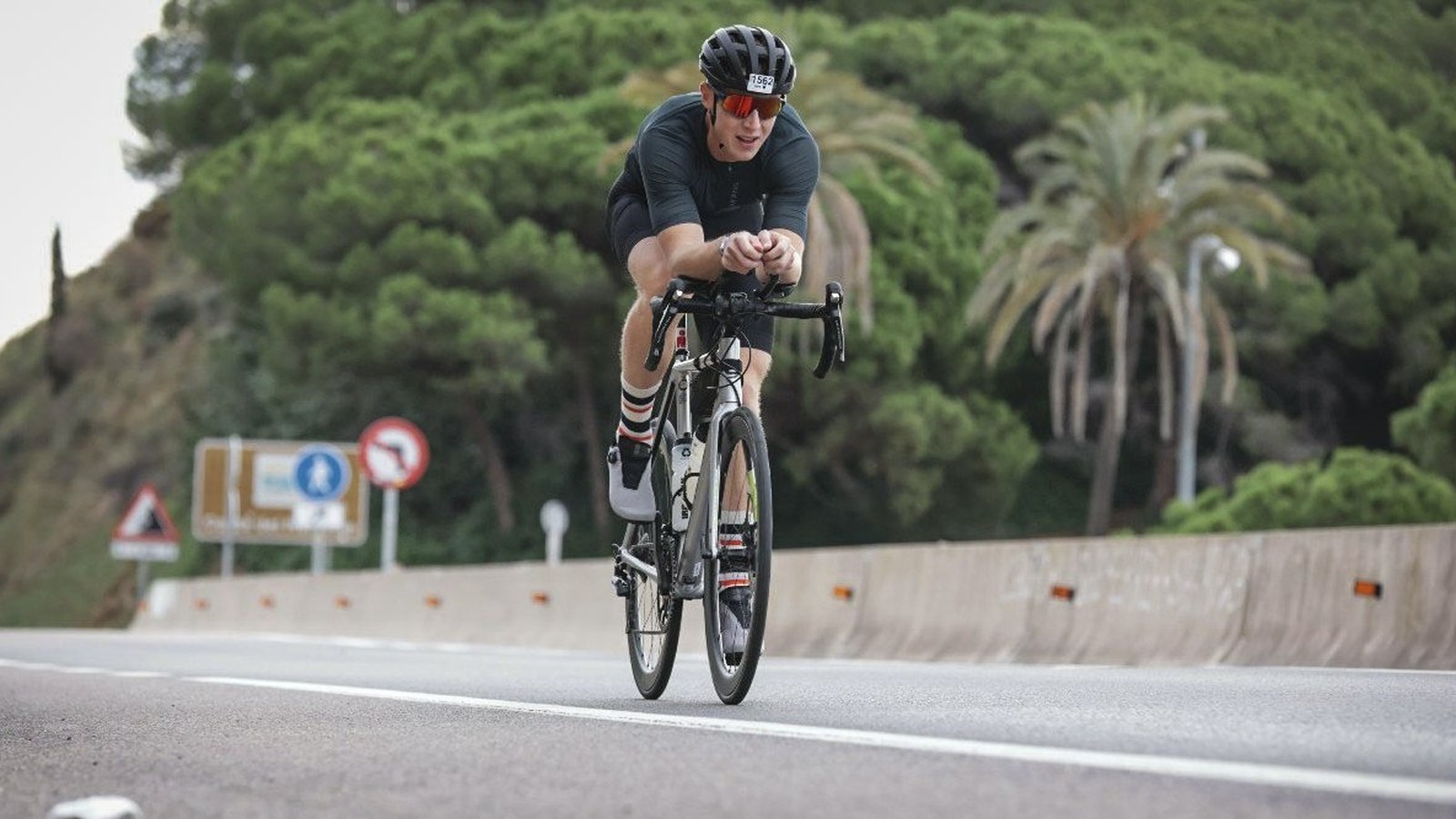
One of the most common mistakes we see isn't the original injury — it's rushing back before the body is ready, and re-injuring the same area, often worse than before.
Pain-free isn't the same as recovered
Once pain settles, it's tempting to assume you're fully healed. But strength, control, and tissue capacity often lag behind how "fine" something feels day to day.
Rebuild in stages
A good return-to-sport plan progresses through stages — from basic movement, to loaded strength work, to sport-specific drills, to full training — with each stage cleared before moving to the next.
Test before you trust
Simple strength and movement tests can flag whether an area is genuinely ready for full training loads, rather than relying on how it feels in the moment.
Expect some setbacks
Rehab is rarely a straight line. A short flare-up after increasing load isn't necessarily a failure — it's information that helps guide the next step.
If you're planning a return to sport after injury, a structured assessment can help you get back sooner and more safely. Get in touch to arrange a session.